
Meeting the Challenge of College Costs

Meeting the Challenge of College Costs
Your child has entered high school and is just four years away from college. It’s time to get serious about figuring out how much it’s going to cost. Based on recent data from the College Board, if he or she goes to a private four-year university, the cost for the four years will be about $160,000.
Which position would you rather be in—taking advantage of a “discount” of $18,000 off the sticker price or overpaying by $53,000? That, in a nutshell, is how to compare the difference between saving for college now or borrowing to pay for your child’s education later.*
Two solid savings opportunities
Even small savings can have a significant impact over time. Every dollar saved offsets a dollar that otherwise would have to be borrowed. More importantly, every dollar
saved can earn additional income, which brings down the total cost.
Don’t look to your 401(k) plan or IRA. These accounts are great ways to save for retirement, and they do permit penalty-free withdrawals to pay the costs of higher education. However, these are not good choices for building a college fund. There are potential tax and opportunity costs for tapping your retirement resources early.
There are, however, some ways to save that—thanks to the tax breaks offered by Uncle Sam—will permit you to help your college fund grow more quickly. For instance, you can open a Coverdell Education Savings Account (ESA), or as it was formerly known, an Education IRA, for each of your children and contribute up to $2,000 a year. The earnings in the account grow tax-free as long as withdrawals are used for qualified education expenses. Unfortunately, not everyone can fund an ESA. Individuals’ ability to contribute the full amount phases out between modified adjusted gross income of $95,000 and $110,000. For joint-filing couples, the phase-out range is now double those amounts, $190,000 to $220,000.
No such limits apply to Section 529 college savings plans. A Section 529 plan is a state-sponsored savings account, available in all 50 states. The account is set up for the purpose of saving in order to pay for most higher education expenses at eligible institutions. No federal tax is paid on the income earned on amounts accumulated in a Section 529 plan. Even better, when withdrawals are made and used for qualified expenses, they won’t be taxed either. (This special treatment currently is set to expire after 2010 unless Congress decides to extend this tax break.) Often, there won’t be any tax consequences at the state level either.
How much do you need to save?
The table below illustrates how much you will need to save per month to meet the ever-escalating cost of a college education.** Your actual costs, of course, maybe more or less, depending upon a variety of factors—for instance, whether the school is public or private, the year that your child starts college and the actual rate of inflation in the years to come. Still, these numbers will give you a good idea of just how important it is to develop a plan for saving and investing when your child is young.
| You begin to save and invest when your child… | If your investments earn an average of 6% a year, you must save per month: | If your investments earn an average of 7% a year, you must save per month: | If your investments earn an average of 8% a year, you must save per month: |
| is one year old | $894 | $815 | $741 |
| starts school (age five) | $1,124 | $1,051 | $982 |
| enters the teen years (age 13) | $2,955 | $2,896 | $2,837 |
Looking for guidance?
Although a good investment return is important, starting as early as possible is even more advantageous. A good first step is to develop an organized, disciplined approach to investing. And that’s where we come in. We will:
• Help devise a strategy to ensure that you have as much on hand as you need when those tuition bills start rolling in.
• Offer you an array of investment choices that are suited to your specific needs and circumstances.
• Implement and monitor your investment strategy, making the necessary adjustments as needed.
If you are looking for a source of unbiased advice about an investment strategy for your children’s future education, call us now. We would be pleased to assist you.
—————————————————————————————————————————————————————————————————————
We hope you found this article about “Meeting the Challenge of College Costs” helpful. If you have questions or need expert tax or family office advice that’s refreshingly objective (we never sell investments), please contact us or visit our Family office page or our website at www.GROCO.com. Unfortunately, we no longer give advice to other tax professionals gratis.
To receive our free newsletter, contact us here.
Subscribe our YouTube Channel for more updates.
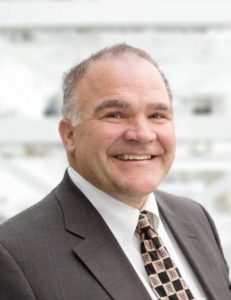
Alan Olsen, is the Host of the American Dreams Show and the Managing Partner of GROCO.com. GROCO is a premier family office and tax advisory firm located in the San Francisco Bay area serving clients all over the world.
Alan L. Olsen, CPA, Wikipedia Bio

GROCO.com is a proud sponsor of The American Dreams Show.

The American Dreams show was the brainchild of Alan Olsen, CPA, MBA. It was originally created to fill a specific need; often inexperienced entrepreneurs lacked basic information about raising capital and how to successfully start a business.
Alan sincerely wanted to respond to the many requests from aspiring entrepreneurs asking for the information and introductions they needed. But he had to find a way to help in which his venture capital clients and friends would not mind.
The American Dreams show became the solution, first as a radio show and now with YouTube videos as well. Always respectful of interview guest’s time, he’s able to give access to individuals information and inspiration previously inaccessible to the first-time entrepreneurs who need it most.
They can listen to venture capitalists and successful business people explain first-hand, how they got to where they are, how to start a company, how to overcome challenges, how they see the future evolving, opportunities, work-life balance and so much more..
American Dreams discusses many topics from some of the world’s most successful individuals about their secrets to life’s success. Topics from guest have included:
Creating purpose in life / Building a foundation for their life / Solving problems / Finding fulfillment through philanthropy and service / Becoming self-reliant / Enhancing effective leadership / Balancing family and work…

MyPaths.com (Also sponsored by GROCO) provides free access to content and world-class entrepreneurs, influencers and thought leaders’ personal success stories. To help you find your path in life to true, sustainable success & happiness. It’s mission statement:
In an increasingly complex and difficult world, we hope to help you find your personal path in life and build a strong foundation by learning how others found success and happiness. True and sustainable success and happiness are different for each one of us but possible, often despite significant challenges.
Our mission at MyPaths.com is to provide resources and firsthand accounts of how others found their paths in life, so you can do the same.

Early Detection Saves Lives with Steve Marler
Steve Marler, Founder of Advanced Longevity discusses how early detection can save lives and overcoming a broken healthcare system on Alan Olsen‘s American Dreams Show. Transcript: Alan Olsen Welcome to American Dreams. My guest today is Steve Marler. Steve, welcome to the show. Steve Marler Thank you. It’s great to be here. Alan Olsen So Steve,…
Mark Sadovnick Talks Leadership, Authenticity, and Making an Impact
Mark Sadovnick, Managing Partner at 5th Element Group discusses leadership, authenticity, and making an Impact on Alan Olsen‘s American Dreams Show. Transcript: Alan Olsen Welcome to American Dreams. My guest today is Mark Sadovnick. Nick, Mark, welcome to today’s show. Mark Sadovnick It’s great to be here. Alan, thanks for inviting me. Alan Olsen So, Mark,…
Preserving My Family’s Life’s Work & Legacy
Tom Chatham, Chairman of Chatham Created Gems & Diamonds, Inc., discusses preserving his family’s legacy and life’s work on Alan Olsen‘s American Dreams Show. Transcript: Alan Olsen Welcome to America dreams. My guest today is Tom Chatham. Welcome to today’s show. Tom Chatham Thank you glad to be here. Alan Olsen So, Tom, we’ve had…
Mastering Business Growth with Howard Shore
Howard Shore, Founder and CEO of Activate Group Inc. discusses managing, even mastering, business growth and the challenges growing quickly can present on Alan Olsen‘s American Dreams Show. Transcript: Alan Olsen Welcome to American Dreams. My guest today is Howard Shore. Howard, welcome to today’s show. Howard Shore Alan, thank you for having me. Alan…