
Ten Things the Average Person Does Not Know About Annuities

Ten Things the Average Person Does Not Know About Annuities
By Robert D. Cavanaugh, Clu
Deferred annuities possess characteristics found nowhere else. They play an important part in seniors’ portfolios.
Seniors hold billions of dollars in deferred annuities. However, my experience is that the average person knows little about the unique advantages of deferred annuities, much less the options they have during the holding period.
When you mention the term, “annuity”, it typically conjures up thoughts of getting a small check in the mail every month from some insurance company. It is viewed as an income.
The vast majority, however, of annuities are of the “deferred annuity” variety. They are accounts designed to grow money over a period of time in a safe environment. Over 90% of deferred annuities are never “annuitized”, that is, converted to that monthly check in the mail.
So let’s take a look at some of the attributes of annuities and, in the process, clear up many misunderstandings about this vehicle.
Tax Deferred Earnings
Deferred annuities provide “triple compound interest.” There is interest on principal, interest on interest and interest on the taxes you would have paid on an investment in a non-tax deferred environment.
For example, 6% which is taxable is equivalent to an 8% non-taxed return assuming a combined federal and state tax bracket of 25%.
Safety
While deferred annuities are not FDIC insured, like a CD with a bank, they are backed by the generally billions of dollars of the insurance company’s assets. No big risks here.
A Competitive Interest Rate
Insurance companies normally set the interest rate for a deferred annuity contract annually. You will find that it is usually one to two points above CD rates. So not only do you get a higher rate but the interest is tax-deferred, unlike a CD where you pay taxes on the interest each year.
Some deferred annuities offer a rate that is guaranteed for a number of years, such as five. If you think interest rates will fall, you can lock in today’s rate.
Minimum Interest Guarantee
When you get to the end of your annuity time frame, if your annuity has not given you at least a minimum of (generally) 3% interest per year, then the insurance company will apply their minimum guaranteed rate. Nothing to get excited about, but at least you know that you can’t lose money and there is a minimum interest rate that is guaranteed no matter what.
No Sales Charges
When you move money into a deferred annuity, 100% of the money goes to work for you from day one. There are no sales charges subtracted from your initial deposit.
No Annual Administration Fees
Some places to park money, like mutual funds, may have fees attached to the administration of the fund. Not so with deferred annuities.
Withdrawal Privileges
This is a source of major misunderstanding. Many people do not realize that their money is not as tied up as they think; there are a number of ways to access funds without surrender charge penalties.
First, there is the 10% annual free withdrawal privilege. Each year you can take out up to 10% of your account value free of any penalties.
If you ever need to go into a nursing home, most insurance companies will allow you to take out whatever you need with no penalty.
If your doctor diagnoses you with a terminal illness, you typically can take out any amount penalty free.
You can convert all, or a portion, to a guaranteed income. This can be for your life, your life plus another (i.e. husband and wife) or for a set number of years.
There are a handful of new products on the market which will set you up with a pay out at a guaranteed interest rate for the rest of your life, but also allow you to retain control of the principal. In other words, the annuity is never “annuitized.”
The interest rate is typically a function of your age. For example, if you are 65, the interest rate is 5%; 70 would be 6%; 75 pays 7%.
Free of Probate
This feature will vary by state, but in those states in which this feature is applied, an annuity is not included as a probate asset. Hence it is free of any probate fees or any delays in passing the funds to your beneficiaries. The normal requirement, however, is that the annuity must have a named beneficiary.
Free From Creditors
Again, this will vary from state to state. If you live in a state where this applies, this is added peace of mind that the money in your deferred annuity is safe in the event of a financial reversal.
Surrender Charges
Folks who object to deferred annuities usually bring up the fact that there are surrender charges that make getting their hands on the money costly. To a certain degree this is true. In order for the insurance company to go on the hook for the guarantees in the contract, they need to put some strings on accessing the funds.
However, these surrender charges decrease over time. Eventually they disappear altogether. In addition, after you have held your contract for a certain number of years (five is typical), you can take all or some of the money out over a five (sometimes ten) year period with no surrender charges.
The bottom line is that the surrender charge issue can be circumvented in a number of instances. Remember, deferred annuities are longer term scenarios. You certainly wouldn’t want to put emergency fund money or money you are going to use to buy a new car in two years into a deferred annuity contract to begin with.
So there you have it. Ten features of a deferred annuity, which will add to your understanding of this product.
Robert D. Cavanaugh, CLU is a 36-year financial and estate planning veteran and author of the free newsletter, “The Estate Preservation Advisor”.
We hope you found this article about “Ten Things the Average Person Does Not Know About Annuities” helpful. If you have questions or need expert tax or family office advice that’s refreshingly objective (we never sell investments), please contact us or visit our Family office page or our website at www.GROCO.com
To receive our free newsletter, contact us here.
Subscribe our YouTube Channel for more updates.
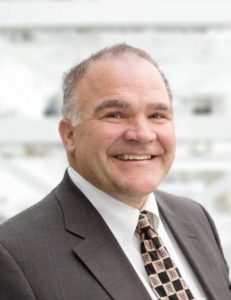
Alan Olsen, is the Host of the American Dreams Show and the Managing Partner of GROCO.com. GROCO is a premier family office and tax advisory firm located in the San Francisco Bay area serving clients all over the world.
Alan L. Olsen, CPA, Wikipedia Bio

GROCO.com is a proud sponsor of The American Dreams Show.

The American Dreams show was the brainchild of Alan Olsen, CPA, MBA. It was originally created to fill a specific need; often inexperienced entrepreneurs lacked basic information about raising capital and how to successfully start a business.
Alan sincerely wanted to respond to the many requests from aspiring entrepreneurs asking for the information and introductions they needed. But he had to find a way to help in which his venture capital clients and friends would not mind.
The American Dreams show became the solution, first as a radio show and now with YouTube videos as well. Always respectful of interview guest’s time, he’s able to give access to individuals information and inspiration previously inaccessible to the first-time entrepreneurs who need it most.
They can listen to venture capitalists and successful business people explain first-hand, how they got to where they are, how to start a company, how to overcome challenges, how they see the future evolving, opportunities, work-life balance and so much more..
American Dreams discusses many topics from some of the world’s most successful individuals about their secrets to life’s success. Topics from guest have included:
Creating purpose in life / Building a foundation for their life / Solving problems / Finding fulfillment through philanthropy and service / Becoming self-reliant / Enhancing effective leadership / Balancing family and work…

MyPaths.com (Also sponsored by GROCO) provides free access to content and world-class entrepreneurs, influencers and thought leaders’ personal success stories. To help you find your path in life to true, sustainable success & happiness. It’s mission statement:
In an increasingly complex and difficult world, we hope to help you find your personal path in life and build a strong foundation by learning how others found success and happiness. True and sustainable success and happiness are different for each one of us but possible, often despite significant challenges.
Our mission at MyPaths.com is to provide resources and firsthand accounts of how others found their paths in life, so you can do the same.
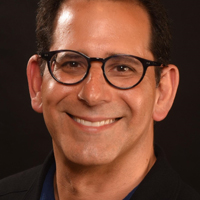
Mastering Business Growth with Howard Shore
Howard Shore, Founder and CEO of Activate Group Inc. discusses managing, even mastering, business growth and the challenges growing quickly can present on Alan Olsen‘s American Dreams Show. Transcript: Alan Olsen Welcome to American Dreams. My guest today is Howard Shore. Howard, welcome to today’s show. Howard Shore Alan, thank you for having me. Alan…
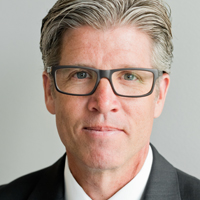
Prosperity and Self-Reliance Zealot Steve Alder
From North America to Ghana, Africa, Steve Alder, President of Ensign Global College (www.ensign.edu.gh), sits down to discuss how a professor helps to build global prosperity and self-reliance on Alan Olsen‘s American Dreams Show. Transcript: Alan Olsen Welcome to American Dreams I’m visiting here today with Steve Alder. Steve, welcome to today’s program. Steve Alder Thank…

Steve Young on Building an Epic Family Legacy
Retired 49r Steve Young Discusses Building a Family Legacy at the Legacy Builders Event on May 15, 2024 As GROCO celebrates three decades of excellence in family office tax and advisory services, we have developed the Legacy Builders to stands as a testament to the firm’s enduring vision: to transform wealth into a powerful tool…
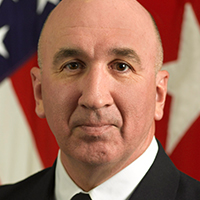
Leadership, Duty, Honor & Country With Lt. Gen. Mike Barbero
Retired US Army Lieutenant General, Michael D. Barbero, discusses leadership, service, duty, honor, and country on Alan Olsen‘s American Dreams Show. Transcript: Alan Olsen Hi, this is Alan Olsen and welcome to American Dreams. My guest today is General Michael Barbero. General, welcome to today’s show. Mike Barbero Thanks, Alan, how are you? Thanks for having me. It’s…