
The Four Primary Functions of CEO Leadership
The Four Primary Functions of CEO Leadership
By Rick Johnson
The majority of effective functions of a CEO/President leaders seem to be natural visionaries. Although, I admit, that there are successful leaders that can’t see past lunch. However, those leaders without the vision that are successful are successful because they have the unique ability to surround themselves with high-quality people.
Almost unanimously this type of leader has at least one member of his team or Board of Directors that fills that visionary void. Today’s individual leadership models, to be effective, must embrace an empowering framework, not a commanding one. The most effective way to get employees to release discretionary energy, ideas and information are to mobilize their human energy through empowerment. That is the basis of the “Lead Wolf Model” of leadership.
1. The Visionary
This is the platform for the functions of leadership. A visionary leader defines the company’s destination. They craft the core values and define the culture of the organization. Clarification of goals and initiatives is a primary responsibility and the leader must distill a concept of success throughout the organization.
2. The Cheerleader
The cheerleader’s primary responsibility is to keep the team focused and motivated. They, in essence, are the primary team builder starting at the top with the executive team. But creating an effective executive team isn’t enough. The leader must instill the coaching and mentoring concept in the core belief system of his executive team to ensure that these values are passed down throughout the functions of CEO in an organization.
3. The Role Model
Do as I do. That is exactly what employees will do. The leader is and must be highly visible to all employees. The leader has a responsibility to reinforce the success principles and core values of the organization. Day to day actions, managing by walking around, open communication, empowerment and generating employee feedback are key responsibilities of the leader as a role model.
4. The Last Chip
The ultimate decision-maker for the toughest decisions. This requires mental toughness, total honesty, and integrity. These types of decisions are often forced by external forces, unpredictable circumstance or long term investment activity. The leadership function of CEO called the last chip is defined as this way to reinforce the concept of empowerment. A leader’s primary responsibility is not to make day to day decisions but to empower his employees to make the majority of those decisions with only those critical, long term, high investment, futuristic decisions reserved for the leader.
All four of these CEO functions are critical to the success of the leader and critical to the success of the organization. All four of these functions including the “Last Chip” apply to all other leaders in the organization to the degree that is relative to their functional responsibility. The definition of “Last Chip” is the only function that carries with it a level of variability. Keeping these four functions of the CEO leadership at the forefront when building your own personal leadership model will help you maintain a servant style embedded in your model which is the only way to maximize success in today’s environment with today’s workforce.
We hope you found this article about “The Four Primary Functions of CEO Leadership” helpful. If you have questions or need expert tax or family office advice that’s refreshingly objective (we never sell investments), please contact us or visit our Family office page or our website at www.GROCO.com. Unfortunately, we no longer give advice to other tax professionals gratis.
To receive our free newsletter, contact us here.
Subscribe our YouTube Channel for more updates.
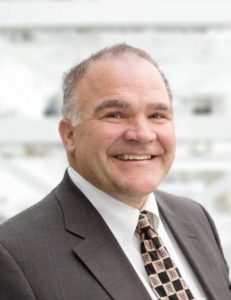
Alan Olsen, is the Host of the American Dreams Show and the Managing Partner of GROCO.com. GROCO is a premier family office and tax advisory firm located in the San Francisco Bay area serving clients all over the world.
Alan L. Olsen, CPA, Wikipedia Bio

GROCO.com is a proud sponsor of The American Dreams Show.
The American Dreams show was the brainchild of Alan Olsen, CPA, MBA. It was originally created to fill a specific need; often inexperienced entrepreneurs lacked basic information about raising capital and how to successfully start a business.
Alan sincerely wanted to respond to the many requests from aspiring entrepreneurs asking for the information and introductions they needed. But he had to find a way to help in which his venture capital clients and friends would not mind.
The American Dreams show became the solution, first as a radio show and now with YouTube videos as well. Always respectful of interview guest’s time, he’s able to give access to individuals information and inspiration previously inaccessible to the first-time entrepreneurs who need it most.
They can listen to venture capitalists and successful business people explain first-hand, how they got to where they are, how to start a company, how to overcome challenges, how they see the future evolving, opportunities, work-life balance and so much more..
American Dreams discusses many topics from some of the world’s most successful individuals about their secrets to life’s success. Topics from guest have included:
Creating purpose in life / Building a foundation for their life / Solving problems / Finding fulfillment through philanthropy and service / Becoming self-reliant / Enhancing effective leadership / Balancing family and work…

MyPaths.com (Also sponsored by GROCO) provides free access to content and world-class entrepreneurs, influencers and thought leaders’ personal success stories. To help you find your path in life to true, sustainable success & happiness. It’s mission statement:
In an increasingly complex and difficult world, we hope to help you find your personal path in life and build a strong foundation by learning how others found success and happiness. True and sustainable success and happiness are different for each one of us but possible, often despite significant challenges.
Our mission at MyPaths.com is to provide resources and firsthand accounts of how others found their paths in life, so you can do the same.
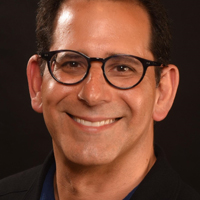
Mastering Business Growth with Howard Shore
Howard Shore, Founder and CEO of Activate Group Inc. discusses managing, even mastering, business growth and the challenges growing quickly can present on Alan Olsen‘s American Dreams Show. Transcript: Alan Olsen Welcome to American Dreams. My guest today is Howard Shore. Howard, welcome to today’s show. Howard Shore Alan, thank you for having me. Alan…
Prosperity and Self-Reliance Zealot Steve Alder
From North America to Ghana, Africa, Steve Alder, President of Ensign Global College (www.ensign.edu.gh), sits down to discuss how a professor helps to build global prosperity and self-reliance on Alan Olsen‘s American Dreams Show. Transcript: Alan Olsen Welcome to American Dreams I’m visiting here today with Steve Alder. Steve, welcome to today’s program. Steve Alder Thank…
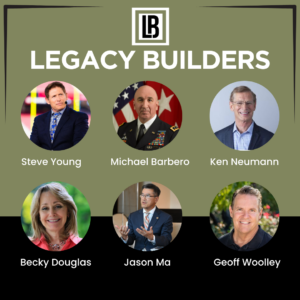
Steve Young on Building an Epic Family Legacy
Retired 49r Steve Young Discusses Building a Family Legacy at the Legacy Builders Event on May 15, 2024 As GROCO celebrates three decades of excellence in family office tax and advisory services, we have developed the Legacy Builders to stands as a testament to the firm’s enduring vision: to transform wealth into a powerful tool…
Leadership, Duty, Honor & Country With Lt. Gen. Mike Barbero
Retired US Army Lieutenant General, Michael D. Barbero, discusses leadership, service, duty, honor, and country on Alan Olsen‘s American Dreams Show. Transcript: Alan Olsen Hi, this is Alan Olsen and welcome to American Dreams. My guest today is General Michael Barbero. General, welcome to today’s show. Mike Barbero Thanks, Alan, how are you? Thanks for having me. It’s…