
Paying Taxes on Two Homes

Paying Taxes on Two Homes
Homebuilders like Ryland Group (RYL), KB Home (KBH), and Beazer Homes (BZH) acquire their fortunes from homeowners, especially retirees, wanting to buy second homes, many times in a different state. But when it comes to taxes, where you live is very important. People who live where there’s no state income tax, such as Florida and Texas, should avoid paying income tax in other states. The one thing you would want to do is make sure you are not paying taxes in two states on the same income.
Taxes and residency
There are two ways a state can require you to pay income taxes. The first is if you are a resident, and your income is earned from resources within the state. And the second is if you earn income within the state even if you’re not a resident of that state.
For example, let’s say you live in Huntsville and do your business throughout North Alabama. To Alabama you are a resident because you live there, and it has the right to tax all of your income. Nevertheless, if you earn 30% of your income from doing business in Tennessee, then that state can impose an income tax on that 30%, even if you are not a resident of Tennessee. buying a second home in a different state
When dealing with multiple states and their income tax systems it can be very difficult. However, things can get worse if you live in two different states during various times of the year (as owners of multiple homes usually do).
Two classifications of ‘resident’
The problem that taxpayers face when residing in two different states is that the policy governing whether a state will consider someone a resident isn’t consistent from state-to-state. Because of that, you have to examine the tax laws of both states to find the one that will claim you as a resident, whereby enforcing a tax on your entire income.
Certain states have strict guidelines on filers they consider residents.working in multiple states taxes, For example, New York deals with many people who spend a lot of time in New York, yet they still continue to keep their homes in tax-free Florida. For those who have been avoiding paying state income taxes, there’s no more free ride. New York has now decided to tax anyone who has a permanent home in the state, have a tax residence, and spend at least 30 days there.
To find out if taxpayers have a New York tax residence or not, the state takes several things into consideration, like where they work, if they have owned property in another state taxes in another state, where they get medical care, where they vote, where their vehicles are registered, and where their family lives.
Let’s take California for example, which must deal with taxpayers traveling to and from Nevada and Washington, both tax-free states. Nevertheless, California has a specific set of laws that limit the state tax department’s ability to treat taxpayers as residents even if they own a house, have bank accounts, or belong to social clubs within the state.
A break on double taxes
Even if you have to file more than one tax return, you won’t have to be bothered with double taxes unless you live in multiple states. In most states, residents are allowed to claim credits for income taxes they had to pay other states. So in the case of the Huntsville resident, Alabama would give them a break by permitting them to claim a credit for any taxes they had to pay on their income from Tennessee.
Most retirees’ income, like dividends, and other regular investment income, is viewed as earned income in the state in which they keep their primary tax address. how to own multiple homes.
It would not be easy to come up with an alternative system because the physical location of stocks, bonds, and other securities is hard to describe. However, regardless of your residence, you may have to treat other types of income, like rental income on real property or capital gains from the sale of real property, as income from the state where the real property is located.
If you can abide by the rules of the tax-residency, you can save yourself some money. If not, even though the state tax credit can decrease taxes in multiple states, you may end up paying a higher tax rate than you have to.
Even though state tax rates are lower than the federal rates, you still want to minimize them especially if you’re a retiree. Finally, if you live in different states during the year, it’s important that you are aware of the state’s tax rules that apply to you so that you will not be caught unawares.
Subscribe our YouTube Channel for more updates.
If you have questions or need expert tax or family office advice that’s refreshingly objective (we never sell investments), please contact us or visit our Family office page or our website at www.GROCO.com. Unfortunately, we no longer give advice to other tax professionals gratis.
To receive our free newsletter, contact us here.
Subscribe our YouTube Channel for more updates.
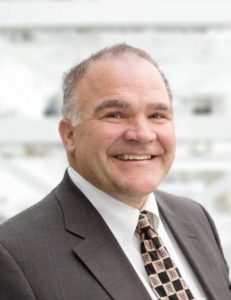
Alan Olsen, is the Host of the American Dreams Show and the Managing Partner of GROCO.com. GROCO is a premier family office and tax advisory firm located in the San Francisco Bay area serving clients all over the world.
Alan L. Olsen, CPA, Wikipedia Bio

GROCO.com is a proud sponsor of The American Dreams Show.

The American Dreams show was the brainchild of Alan Olsen, CPA, MBA. It was originally created to fill a specific need; often inexperienced entrepreneurs lacked basic information about raising capital and how to successfully start a business. Alan sincerely wanted to respond to the many requests from aspiring entrepreneurs asking for the information and introductions they needed. But he had to find a way to help in which his venture capital clients and friends would not mind.
The American Dreams show became the solution, first as a radio show and now with YouTube videos as well. Always respectful of interview guest’s time, he’s able to give access to individuals information and inspiration previously inaccessible to the first-time entrepreneurs who need it most. They can listen to venture capitalists and successful business people explain first-hand, how they got to where they are, how to start a company, how to overcome challenges, how they see the future evolving, opportunities, work-life balance and so much more..
American Dreams discusses many topics from some of the world’s most successful individuals about their secrets to life’s success. Topics from guest have included:
Creating purpose in life / Building a foundation for their life / Solving problems / Finding fulfillment through philanthropy and service / Becoming self-reliant / Enhancing effective leadership / Balancing family and work…

MyPaths.com (Also sponsored by GROCO) provides free access to content and world-class entrepreneurs, influencers and thought leaders’ personal success stories. To help you find your path in life to true, sustainable success & happiness. It’s mission statement:
In an increasingly complex and difficult world, we hope to help you find your personal path in life and build a strong foundation by learning how others found success and happiness. True and sustainable success and happiness are different for each one of us but possible, often despite significant challenges. Our mission at MyPaths.com is to provide resources and firsthand accounts of how others found their paths in life, so you can do the same.
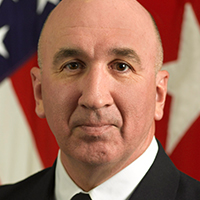
Leadership, Duty, Honor & Country With Lt. Gen. Mike Barbero
Retired US Army Lieutenant General, Michael D. Barbero, discusses leadership, service, duty, honor, and country on Alan Olsen‘s American Dreams Show. Transcript: Alan Olsen Hi, this is Alan Olsen and welcome to American Dreams. My guest today is General Michael Barbero. General, welcome to today’s show. Mike Barbero Thanks, Alan, how are you? Thanks for having me. It’s…
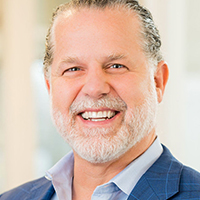
Regenerative Medicine and Creating Health with Dr. David Haase
Dr. David Haase, Founder of the MaxWell Clinic discusses regenerative medicine and creating health on Alan Olsen‘s American Dreams Show. Transcript: Alan Olsen Welcome to American Dreams. My guest today is David Haase. David, welcome to the show. David Haase Thanks, Alan. Alan Olsen So do you have a remarkable background and career obviously that…
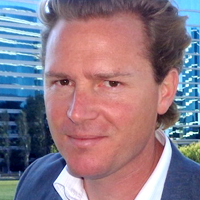
VC Success With Silicon Valley Veteran Andrew Romans
Andrew Romans, General Partner of 7BC Venture Capital, Author, and University Professor discusses navigating Silicon Valley, venture capital (VC), startup success, and the future of tech investment on Alan Olsen‘s American Dreams Show. Transcript: Alan Olsen Welcome to American Dreams. My guest today is Andrew Romans. Andrew, welcome to today’s show. Andrew Romans Thank you so…
How Entrepreneurs Shine With Gino Wickman
Gino Wickman, Founder of EOS Worldwide and author of “Shine” and “Traction: Get a Grip on Your Business” discusses How to shine as an Entrepreneur on Alan Olsen‘s American Dreams Show. Transcript: Alan Olsen Hi, this is Alan Olsen and welcome to American Dreams. My guest today is Gino Wickman. To welcome to today’s show. Gino…