
10 Common Tax Filing Mistakes
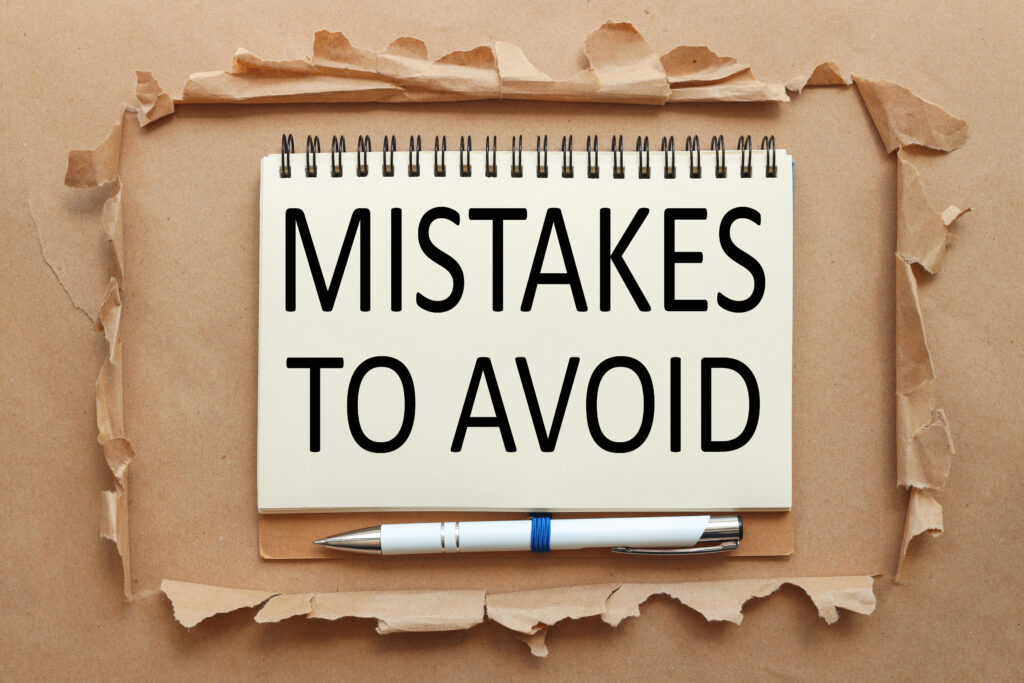
As this year’s tax deadline approaches, we though it would be a good idea to share 10 common filing mistakes. The American Institute of Certified Public Accountants (AICPA) reminds taxpayers of 10 of the most common mistakes made each year by individual taxpayers on their federal tax returns. These avoidable errors can affect your tax bill, delay the processing of your return and draw the attention of the Internal Revenue Service.
Mistake #6: Failing to Document Charitable Donations
For charitable donations of $250 or more, written acknowledgment from the charity is required. A canceled check is not sufficient. If your gift was one of property rather than cash, the acknowledgment must describe the property. When your noncash contribution exceeds $500, you also are required to file IRS Form 8283, Noncash Charitable Contributions, giving details of the donation.
Mistake #7: Omitting Social Security Numbers of Dependents
You MUST include on your return the Social Security number for all dependents. Also, to claim a child or dependent care credit, you must complete Form 2441 and indicate the care giver’s name, address and taxpayer identification or Social Security number.
Mistake #8: Making Math Miscalculations When Filing
Review your return to make sure that your math is correct. If you find a mistake, remember to recalculate other figures that are affected by the error.
Mistake #9: Failing to Calculate the Alternative Minimum Tax (AMT)
With every passing year more and more taxpayers discover, often to their great surprise, that they are subject to the alternative minimum tax (AMT). But many of the 16 million taxpayers who are predicted to become subject to the AMT for the first time over the next two years will not fill out the AMT form 6251 because they think it is only applicable to the very wealthiest individuals and couldn’t possibly apply to them. The result can be a nasty note from the IRS informing them they owe more money and, of course, interest on the underpayment.
Mistake #10: Assuming Itemizing Deductions Will Reduce Tax Bite the Most
Many taxpayers assume that itemizing deductions is going to result in the lowest federal obligation. However, that may not be true. For example, if you’ve paid down most of the interest on your home mortgage, which is the largest deduction most filers have, you may be better off taking the standard deduction. The standard deduction increases each year because it’s indexed for inflation. For 2006 returns, the standard deduction for married taxpayers filing jointly is $10,300, and for single it is $5,150.

We hope you found this article about “10 Common Tax Filing Mistakes” helpful. If you have questions or need expert tax or family office advice that’s refreshingly objective (we never sell investments), please contact us or visit our Family office page or our website at www.GROCO.com. Unfortunately, we no longer give advice to other tax professionals gratis.
To receive our free newsletter, contact us here.
Subscribe to our YouTube Channel for more updates.
Considerately yours,
GROCO, GROCO Tax, GROCO Technology, GROCO Advisory Services, GROCO Consulting Services, GROCO Relationship Services, GROCO Consulting/Advisory Services, GROCO Family Office Wealth, and GROCO Family Office Services.
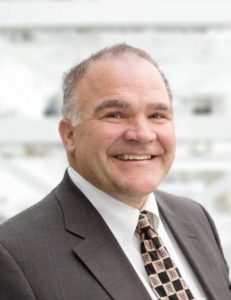
Alan L. Olsen, CPA, Wikipedia Bio

Proud sponsor of the AD Show.


Steve Young on Building an Epic Family Legacy
Retired 49r Steve Young Discusses Building a Family Legacy at the Legacy Builders Event on May 15, 2024 As GROCO celebrates three decades of excellence in family office tax and advisory services, we have developed the Legacy Builders to stands as a testament to the firm’s enduring vision: to transform wealth into a powerful tool…
Leadership, Duty, Honor & Country With Lt. Gen. Mike Barbero
Retired US Army Lieutenant General, Michael D. Barbero, discusses leadership, service, duty, honor, and country on Alan Olsen‘s American Dreams Show. Transcript: Alan Olsen Hi, this is Alan Olsen and welcome to American Dreams. My guest today is General Michael Barbero. General, welcome to today’s show. Mike Barbero Thanks, Alan, how are you? Thanks for having me. It’s…
Regenerative Medicine and Creating Health with Dr. David Haase
Dr. David Haase, Founder of the MaxWell Clinic discusses regenerative medicine and creating health on Alan Olsen‘s American Dreams Show. Transcript: Alan Olsen Welcome to American Dreams. My guest today is David Haase. David, welcome to the show. David Haase Thanks, Alan. Alan Olsen So do you have a remarkable background and career obviously that…
VC Success With Silicon Valley Veteran Andrew Romans
Andrew Romans, General Partner of 7BC Venture Capital, Author, and University Professor discusses navigating Silicon Valley, venture capital (VC), startup success, and the future of tech investment on Alan Olsen‘s American Dreams Show. Transcript: Alan Olsen Welcome to American Dreams. My guest today is Andrew Romans. Andrew, welcome to today’s show. Andrew Romans Thank you so…