
Should You Invest in Residential or Commercial Properties?
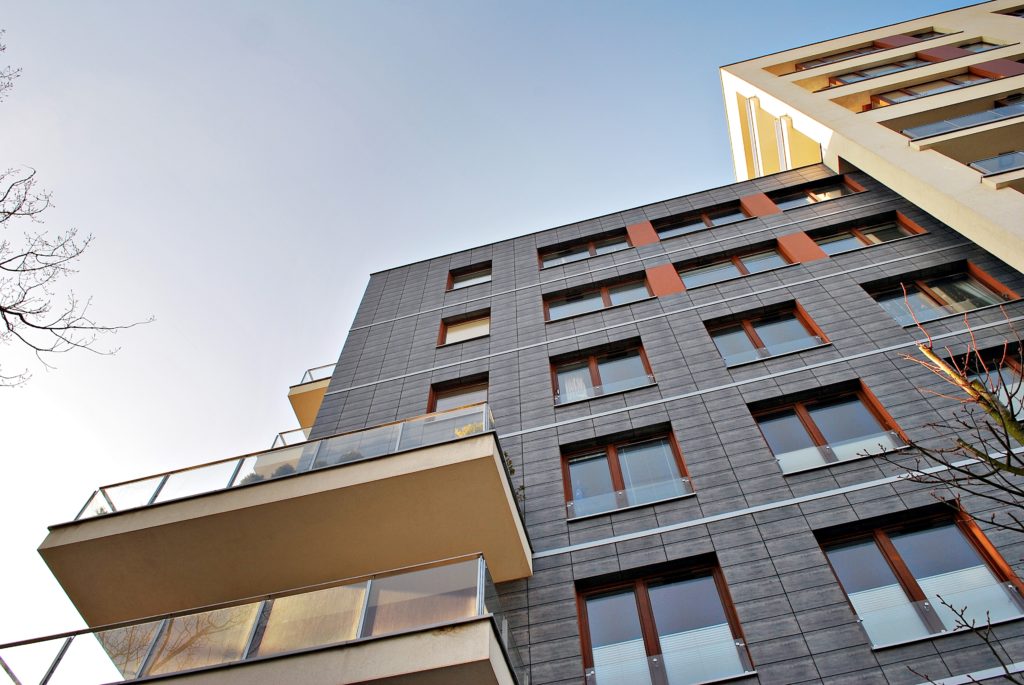
Should You Invest in Residential or Commercial Properties?
Most people in Northern CA started investing in real estate by buying their own homes. And most have made money as real estate in Northern CA has continued to appreciate in value. So when they move up, they decide to rent out their first homes. And then they acquire a few more homes. They know they have negative cash flow but make a profit because of appreciation. This is the typical story how most real estate investors invest in residential properties. So far luck has been on their side.
As the interest rates have gone up gradually in the last 12-24 months while the rents in the Bay Area remain very much flat, the negative cash flow gap is widening. The risk for investing in residential properties is increasing. The same old formula of investing may not work anymore. In the best case, investors may still make money but not as much in term of percentage since the value of real estate is pretty high already. In the worst case, investors may lose money as residential real estate may remain flat or even decline in value. Is there a solution for real estate investors in Northern CA? Of course, these investors can use the same old formula in a new area that has potential for appreciation. So the key is to find this new area. They just have to talk to someone who knows this new area. It could be Bakersfield or Sacramento or Fresno. Alternatively, investors can put money in commercial properties: retail strips, shopping centers, medical office buildings. Let’s just explore this paradigm shift to see if it makes investment sense.
1. Income: commercial properties generate 50 to 200% more rental income compared to residential properties in the Bay Area. In addition, there is no rent control for commercial properties. So landlords can charge your tenants as much as the market permits.
2. Leases: in general commercial real estate leases are more favorable to landlords compared to residential leases. Besides the base rent, tenants also have to pay the landlord for property taxes, insurance and all maintenance expenses. These leases are called Triple Net or NNN leases. Because of this type of lease, commercial properties are better maintained than residential properties. Besides, the NNN leases also take away a lot of risk from the landlord as maintenance costs are unpredictable. On the other hand, landlords tend to defer maintenance on residential properties to reduce the cost. Consequently, the deferred maintenance will have a negative impact on the value of the properties.
3. Better Tenants: tenants for commercial properties are financially stronger. They may be Walmart or Home Depot with billions of dollars in the bank. They are less likely to nickel and dime you. In addition, they also guarantee the lease with their assets. If for some unforeseen reason they have to vacate the property, they continue to pay the rent or find another tenant to sublease it. They are also motivated to keep your property in good condition to attract their customers to their stores. While the majority of residential tenants are good, some think once they pay the rent they have a license to trash your property and then disappear in to thin air with no forwarding address!
4. Long term lease: commercial tenants are less likely to move. They often sign 5-10 year leases. Tenants like Walgreens and Walmart sometimes sign 20-50 year leases. In contrast, residential leases are short term. They could move out to a new place a mile away to get a $25 rent relief! It’s a fact that the turn over rate for residential tenants is very high compared to commercial tenants. As a landlord, this gives you more unneeded migraine headaches and stress.
5. Management: It’s much easier to manage a 10-tenant shopping center than 10 individual homes in 10 different places. As a matter of fact, if you own 10 residential rentals, your tenants will wear you down until you are exhausted. They often move out in the summer just around the time you want to take off for vacation. Yes, it’s a fact that residential properties are very management-intensive because of high turn over rates. If you have to hire a property manager, it also costs more in terms of percentage of the rent to manage residential properties. Besides, it probably is a full time job just to manage these 10 property managers!
6. Income Tax Returns: it’s much easier to keep track of records for income tax purposes for a 10-unit shopping center than 10 separate residential rentals in several states. You just need to have one file for the shopping center while you will need 10 folders for 10 residential rentals. The task becomes more challenging as the IRS requires you to keep records for several years. Your out-of-state income tax return is also thinner for a 10-unit shopping center than 10 residential rentals.
7. Tax Write-offs: commercial properties offer the same tax write-offs, 1031 exchange, as residential rentals.
8. Credit Scores Impact: most people don’t know that once they have about 10 residential mortgages, their credit scores will start going down. The credit bureau reasons that credit risk is higher the more money you borrow and 9-10 mortgages seem to be the threshold. On the other hand, commercial mortgages have no negative impact on your credit scores as these mortgages are not reported to the 3 credit bureaus.
9. Pride of Ownership: most commercial properties are referred to by name and not by their addresses, for example Lion Plaza, or Valley Fair Shopping Center. They could be trophy properties that offer enormous pride of ownership. You get lots of respect when you tell people you own a certain shopping center they know.
10. Investment size: commercial properties often require a substantial amount of money so it’s not meant for someone with a modest amount of money.
So if you want to work hard for your money or bet on appreciation, then invest in residential. If you want to work smart, go after commercial properties. Commercial real estate investment is a more prudent way to invest in real estate if you have more equity for down payment. Each month you have strong positive cash flow so you don’t need to rely on just appreciation to make money. So if you have not invested in commercial real estate, you now know why you are not among the elite group of real estate investors. You probably wonder where you should go from here if you want to explore this possibility further. In the coming issues, these topics will be discussed
- Which commercial property should you invest?
- Where should you invest in commercial real estate?
- How to pick and choose a good commercial property
- What you should know before hiring a property management company
To receive our free newsletter, contact us here.
Subscribe our YouTube Channel for more updates.
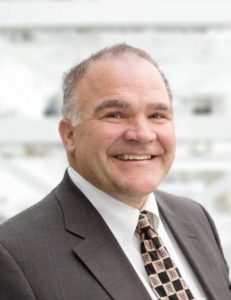
Alan Olsen, is the Host of the American Dreams Show and the Managing Partner of GROCO.com. GROCO is a premier family office and tax advisory firm located in the San Francisco Bay area serving clients all over the world.
Alan L. Olsen, CPA, Wikipedia Bio

GROCO.com is a proud sponsor of The American Dreams Show.

The American Dreams show was the brainchild of Alan Olsen, CPA, MBA. It was originally created to fill a specific need; often inexperienced entrepreneurs lacked basic information about raising capital and how to successfully start a business.
Alan sincerely wanted to respond to the many requests from aspiring entrepreneurs asking for the information and introductions they needed. But he had to find a way to help in which his venture capital clients and friends would not mind.
The American Dreams show became the solution, first as a radio show and now with YouTube videos as well. Always respectful of interview guest’s time, he’s able to give access to individuals information and inspiration previously inaccessible to the first-time entrepreneurs who need it most.
They can listen to venture capitalists and successful business people explain first-hand, how they got to where they are, how to start a company, how to overcome challenges, how they see the future evolving, opportunities, work-life balance and so much more..
American Dreams discusses many topics from some of the world’s most successful individuals about their secrets to life’s success. Topics from guest have included:
Creating purpose in life / Building a foundation for their life / Solving problems / Finding fulfillment through philanthropy and service / Becoming self-reliant / Enhancing effective leadership / Balancing family and work…

MyPaths.com (Also sponsored by GROCO) provides free access to content and world-class entrepreneurs, influencers and thought leaders’ personal success stories. To help you find your path in life to true, sustainable success & happiness. It’s mission statement:
In an increasingly complex and difficult world, we hope to help you find your personal path in life and build a strong foundation by learning how others found success and happiness. True and sustainable success and happiness are different for each one of us but possible, often despite significant challenges.
Our mission at MyPaths.com is to provide resources and firsthand accounts of how others found their paths in life, so you can do the same.
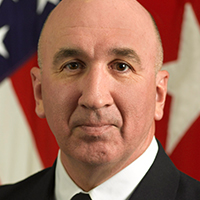
Leadership, Duty, Honor & Country With Lt. Gen. Mike Barbero
Retired US Army Lieutenant General, Michael D. Barbero, discusses leadership, service, duty, honor, and country on Alan Olsen‘s American Dreams Show. Transcript: Alan Olsen Hi, this is Alan Olsen and welcome to American Dreams. My guest today is General Michael Barbero. General, welcome to today’s show. Mike Barbero Thanks, Alan, how are you? Thanks for having me. It’s…
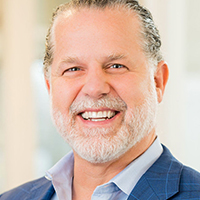
Regenerative Medicine and Creating Health with Dr. David Haase
Dr. David Haase, Founder of the MaxWell Clinic discusses regenerative medicine and creating health on Alan Olsen‘s American Dreams Show. Transcript: Alan Olsen Welcome to American Dreams. My guest today is David Haase. David, welcome to the show. David Haase Thanks, Alan. Alan Olsen So do you have a remarkable background and career obviously that…
VC Success With Silicon Valley Veteran Andrew Romans
Andrew Romans, General Partner of 7BC Venture Capital, Author, and University Professor discusses navigating Silicon Valley, venture capital (VC), startup success, and the future of tech investment on Alan Olsen‘s American Dreams Show. Transcript: Alan Olsen Welcome to American Dreams. My guest today is Andrew Romans. Andrew, welcome to today’s show. Andrew Romans Thank you so…
How Entrepreneurs Shine With Gino Wickman
Gino Wickman, Founder of EOS Worldwide and author of “Shine” and “Traction: Get a Grip on Your Business” discusses How to shine as an Entrepreneur on Alan Olsen‘s American Dreams Show. Transcript: Alan Olsen Hi, this is Alan Olsen and welcome to American Dreams. My guest today is Gino Wickman. To welcome to today’s show. Gino…