
Estate Planning is Not “One Size Fits All”
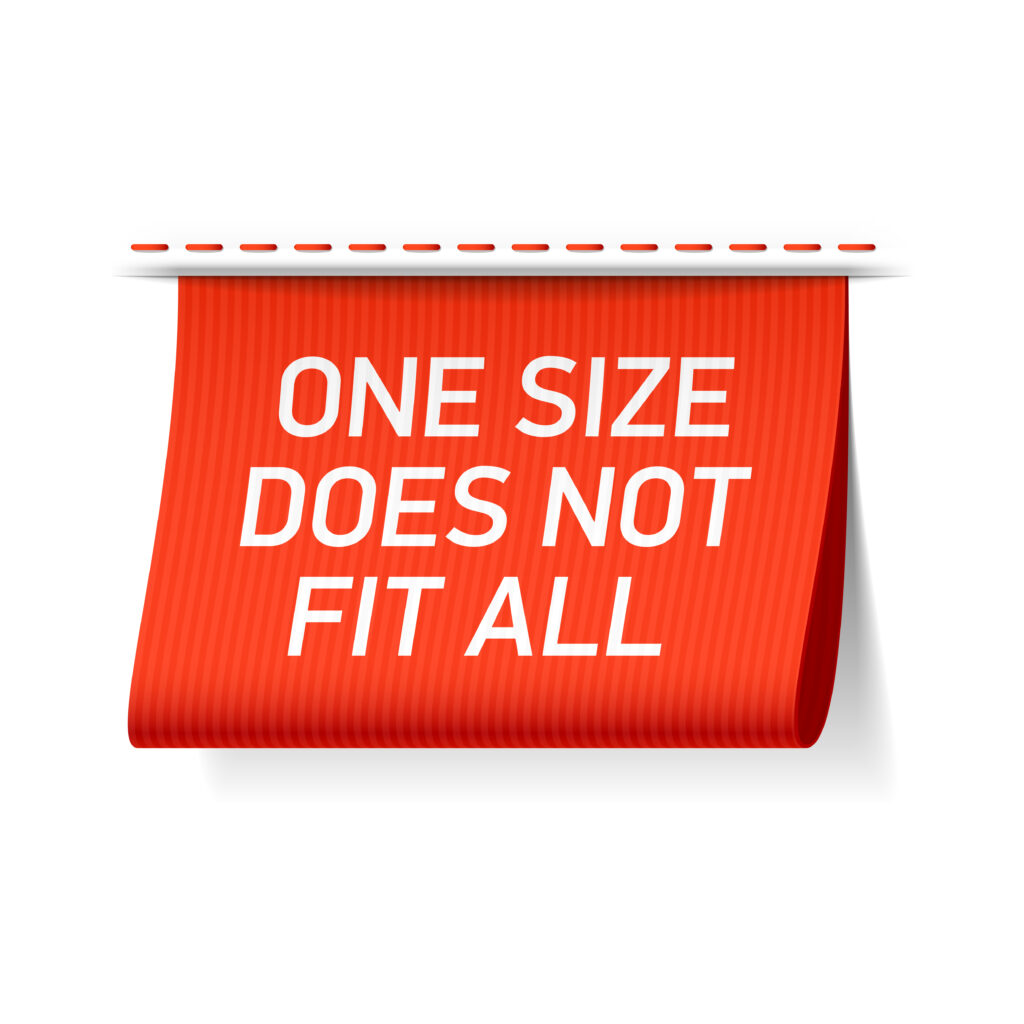
Estate Planning is Not “One Size Fits All”
Married, never married, widowed, divorced—each of us has unique needs when it comes to how and to whom we make our bequests. Here, in a brief discussion, are a few checkpoints for developing an estate planning strategy for people who are on their own.
Review your will regularly
The passage of time and changes in personal circumstances, or in your investment, business or real estate holdings, as well as in the economy and the law, all may wreak havoc with your will and the ways that you have decided to transfer your assets.
Remember, too, that not all of your assets pass by way of your will. Property held jointly with a right of survivorship passes outside your will. Retirement plan benefits and life insurance will be paid to whomever you named on a beneficiary designation form. Make it a point to review your designations regularly. Often there are circumstances—a beneficiary’s death is one example—that may require you to make a change.
Establish a program of gifts
If you have substantial assets, consider making “annual exclusion” gifts. You can make gifts of up to $11,000 a year to as many people as you wish, gift tax free. Why? The gifted cash or property, no longer part of your estate, cannot be taxed at your death. And you will be able to enjoy seeing the results of your generosity. However, the gifts must be of a “present interest”—the person receiving the gift must be able to use the money or property now, not just at some later time.
The tuition and medical expense exclusions allow you to help out family members or friends with these expenses without gift tax consequences. If it’s tuition, be sure to make the payments directly to the school, not the attendee. There is no cap on how much you may give, tax free. Similarly, you can defray someone’s medical expenses if you make the payments to the health care provider. These amounts are nontaxable without limitation as well. (Amounts reimbursed by insurance are not eligible for this exclusion.)
Plan your charitable gifts
Be sure to consult your advisors if you will be making a substantial gift to charity. You’ll want to fashion your gift to take maximum advantage of the tax breaks available. The charitable bequests that you make in your will won’t be subject to estate tax. But there are more tax benefits that may be available by taking an organized approach to philanthropy.
For example, if appreciated securities are sold to fund a charitable gift, you will realize long-term capital gain, and there will be tax to pay. When you donate the securities directly to the charity, and the charity sells the shares, no tax will be due.
By setting up a charitable remainder trust, you can make a substantial gift and reserve income payments from the trust for your life. (If you set up the trust in your will, you may name someone to receive the income.) And you will be able to treat part of your gift as an immediate charitable deduction. A charitable lead trust works in reverse: The charity receives the payments for a specified number of years; then the remainder passes to the beneficiaries that you have designated.
Make sure someone can “step in”
Consider naming someone to take control of your financial life if a disabling illness or injury occurs. With a durable power of attorney, you delegate the duties and responsibilities as outlined in the durable power document.
In theory, a durable power should work for you as long as you remain disabled. Unfortunately, sometimes third parties will refuse to honor an apparently valid durable power of attorney simply because some time has passed since the power was created.
A living trust may offer more comprehensive financial protection and security. You can create the trust now but continue to control the assets that you place in the trust. The trustee takes over investment management and other important financial decisions only if and when you become disabled. The trustee that you name will act only as you have directed in the trust agreement. The trustee’s responsibilities may be as far-reaching as managing your investment portfolio or as routine as paying your household bills while you are incapacitated.
Without executing a durable power or a living trust, court proceedings may be necessary in order to name a guardian to manage your finances. The process can be time consuming and often costly, and the proceedings are public, there for anyone to scrutinize.
Have a medical emergency plan in place
Closely allied to questions of financial decisions in the event of incapacity are questions of medical treatment decisions. An advance medical directive allows you to exercise control over your medical care in the event that you cannot make decisions yourself.
A living will lets you express your wishes regarding your care should you be in a terminal condition and, generally, deals with questions concerning what life-sustaining treatments (if any) should be undertaken. With a durable power of attorney for health care, you delegate someone to make major health care decisions for you, based upon your directions.
Obtain a second opinion
Estate planning, in at least one respect, may be more difficult for a single person than a married couple—you face some difficult decisions alone. Family and friends may be helpful, but it’s especially important as well to gather together a professional, trustworthy team of advisors. They can provide the benefit of a reliable second opinion, when you need it.
We would be pleased to serve on your estate planning team.
—————————————————————————————————————————————————————————————————————
We hope you found this article about “Estate Planning is Not “One Size Fits All”” helpful. If you have questions or need expert tax or family office advice that’s refreshingly objective (we never sell investments), please contact us or visit our Family office page or our website at www.GROCO.com. Unfortunately, we no longer give advice to other tax professionals gratis.
To receive our free newsletter, contact us here.
Subscribe our YouTube Channel for more updates.
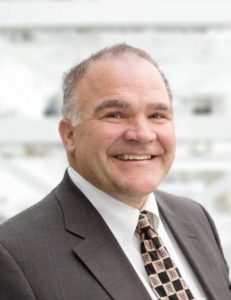
Alan Olsen, is the Host of the American Dreams Show and the Managing Partner of GROCO.com. GROCO is a premier family office and tax advisory firm located in the San Francisco Bay area serving clients all over the world.
Alan L. Olsen, CPA, Wikipedia Bio

GROCO.com is a proud sponsor of The American Dreams Show.
The American Dreams show was the brainchild of Alan Olsen, CPA, MBA. It was originally created to fill a specific need; often inexperienced entrepreneurs lacked basic information about raising capital and how to successfully start a business.
Alan sincerely wanted to respond to the many requests from aspiring entrepreneurs asking for the information and introductions they needed. But he had to find a way to help in which his venture capital clients and friends would not mind.
The American Dreams show became the solution, first as a radio show and now with YouTube videos as well. Always respectful of interview guest’s time, he’s able to give access to individuals information and inspiration previously inaccessible to the first-time entrepreneurs who need it most.
They can listen to venture capitalists and successful business people explain first-hand, how they got to where they are, how to start a company, how to overcome challenges, how they see the future evolving, opportunities, work-life balance and so much more..
American Dreams discusses many topics from some of the world’s most successful individuals about their secrets to life’s success. Topics from guest have included:
Creating purpose in life / Building a foundation for their life / Solving problems / Finding fulfillment through philanthropy and service / Becoming self-reliant / Enhancing effective leadership / Balancing family and work…

MyPaths.com (Also sponsored by GROCO) provides free access to content and world-class entrepreneurs, influencers and thought leaders’ personal success stories. To help you find your path in life to true, sustainable success & happiness. It’s mission statement:
In an increasingly complex and difficult world, we hope to help you find your personal path in life and build a strong foundation by learning how others found success and happiness. True and sustainable success and happiness are different for each one of us but possible, often despite significant challenges.
Our mission at MyPaths.com is to provide resources and firsthand accounts of how others found their paths in life, so you can do the same.
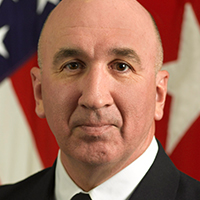
Leadership, Duty, Honor & Country With Lt. Gen. Mike Barbero
Retired US Army Lieutenant General, Michael D. Barbero, discusses leadership, service, duty, honor, and country on Alan Olsen‘s American Dreams Show. Transcript: Alan Olsen Hi, this is Alan Olsen and welcome to American Dreams. My guest today is General Michael Barbero. General, welcome to today’s show. Mike Barbero Thanks, Alan, how are you? Thanks for having me. It’s…
Regenerative Medicine and Creating Health with Dr. David Haase
Dr. David Haase, Founder of the MaxWell Clinic discusses regenerative medicine and creating health on Alan Olsen‘s American Dreams Show. Transcript: Alan Olsen Welcome to American Dreams. My guest today is David Haase. David, welcome to the show. David Haase Thanks, Alan. Alan Olsen So do you have a remarkable background and career obviously that…
VC Success With Silicon Valley Veteran Andrew Romans
Andrew Romans, General Partner of 7BC Venture Capital, Author, and University Professor discusses navigating Silicon Valley, venture capital (VC), startup success, and the future of tech investment on Alan Olsen‘s American Dreams Show. Transcript: Alan Olsen Welcome to American Dreams. My guest today is Andrew Romans. Andrew, welcome to today’s show. Andrew Romans Thank you so…
How Entrepreneurs Shine With Gino Wickman
Gino Wickman, Founder of EOS Worldwide and author of “Shine” and “Traction: Get a Grip on Your Business” discusses How to shine as an Entrepreneur on Alan Olsen‘s American Dreams Show. Transcript: Alan Olsen Hi, this is Alan Olsen and welcome to American Dreams. My guest today is Gino Wickman. To welcome to today’s show. Gino…