OUR ADVISORY FIRM’S SERVICES

FAMILY OFFICE AND LEGACY
Our top tier and most robust suite of services. Essentially, your goals = our goals. So you can enjoy, keep & grow your wealth for future generations!

LIFESTYLE AND FINANCIAL MANAGEMENT
Our second most comprehensive suite of services, where innovative expertise protect & administration family governance, leadership & generational well-being!

WEALTH AND TAX ANALYSIS
Our “Best in Class” traditional full-service CPA firm suite of services, providing expert CPA advisor business, family, tax and estate advisory since 1964, with 100% objectivity because we don’t sell investments!
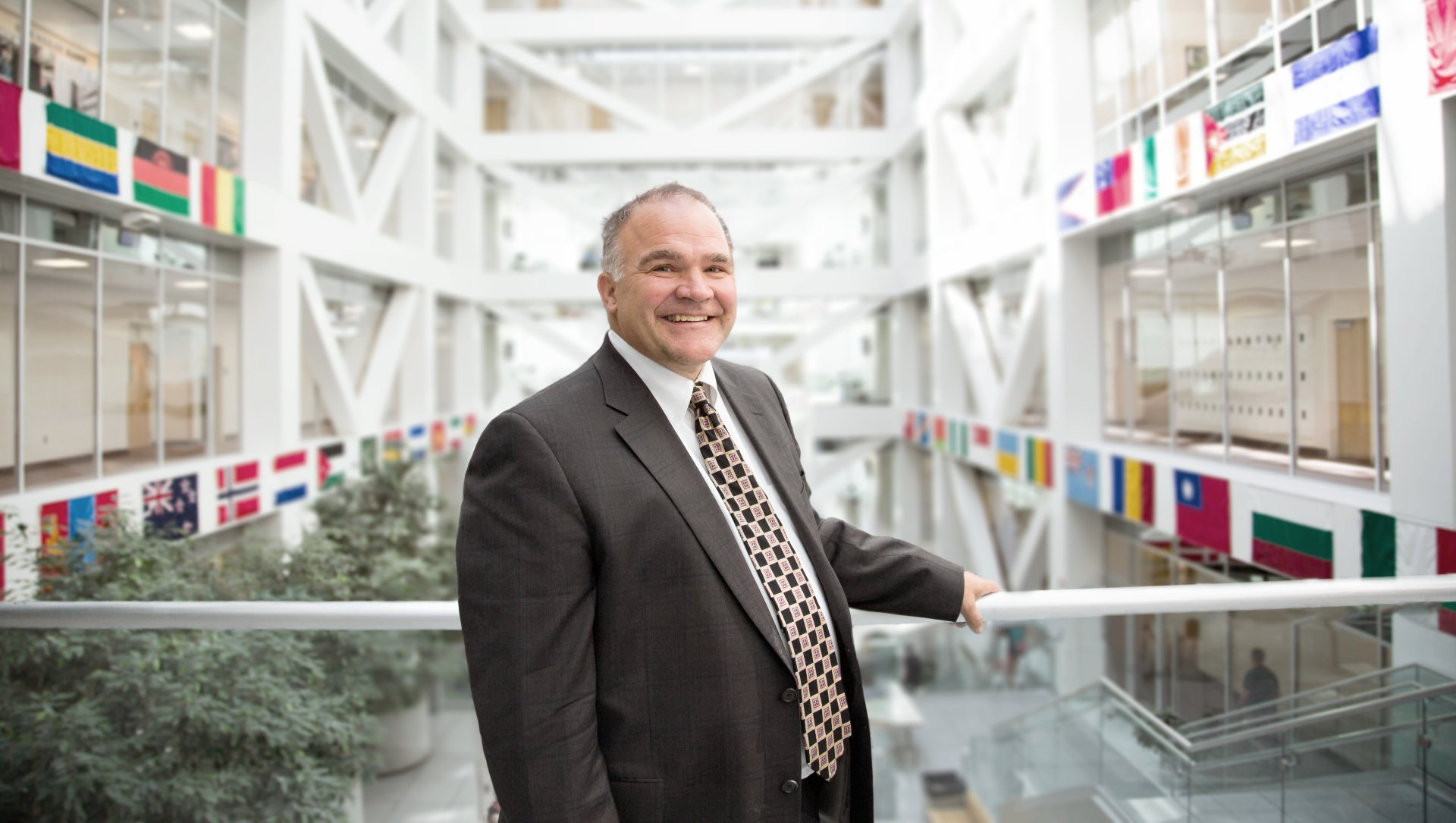
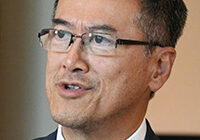
Meet The Managing Partner and Host of the American Dreams Show!
WATCH THESE INTERVIEWS WITH SUCCESSFUL ENTREPRENEURS ON THE AMERICAN DREAMS SHOW!
David Checketts – The Sports Business Legend
From consultant to NBA team president and general manager to regional church leader, David Checketts has a grand story. His American dream was to pursue his love for basketball and use his life experiences to create champion teams, and champion people. Listen as he shares his story of how he was able to reach his…
Rob Riggle on American Dreams
In this episode of the American Dream Show, host Alan Olsen sits down with actor and comedian Rob Riggle to discuss his journey from the Marine Corps to the world of comedy and acting. Riggle shares his background growing up in Kansas City and his experience serving in the Marine Corps, including his passion for…
Building a $24 billion company using the Sunflower Model | Rob Ryan
Building a $24 billion company using the Sunflower Model | Rob Ryan About ROB RYAN Rob Ryan founded Ascend Communications in 1989. Rob served as President, CEO, and Chairman of Ascend, taking it public Friday the thirteenth of May, 1994, at $13.00 per share. In 1995 Rob and Terry started Entrepreneur America. Rob gained his first experience…
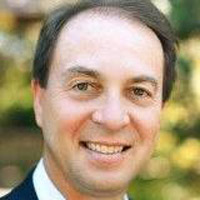
Golden State Warriors Owner | Joe Lacob
About Joe Lacob Lacob’s NBA and professional sports experience dates back over two decades, including a five-year tenure as a minority owner of the Boston Celtics, where he served on the basketball committee. He earned an NBA World Championship ring with the storied franchise before selling his minority stake and making an NBA record-setting…
WHAT PEOPLE ARE SAYING ABOUT GROCO
JOE LACOB
The NBA Golden State Warriors
"Alan and GROCO are an integral part of my financial team."
HARRY L. CROSBY III
Son of Bing Crosby
"Thank you Alan for serving as our family financial advisor."
STEPHEN MEADE
California Bank and Trust
"Perhaps the true reward of giving to the community is when you inspire others. Consider me as one person you have inspired, Alan."
WHO WE'VE WORKED WITH